 Rosacea flare-ups can happen when something, such as sun exposure, extreme temperatures, stress, or certain skincare products, triggers inflammation and widens the blood vessels in your skin. Triggers vary from person to person, so understanding what makes your symptoms worse can help you manage them. The good news is that rosacea is treatable, and the right skincare routine and dermatology care can help keep flare-ups under control. Here's what you should know about common rosacea triggers, how to prevent them, and when it may be time to see a dermatology provider for rosacea.
Key takeaways
- Rosacea is a chronic inflammatory skin condition that can cause facial redness, flushing, visible blood vessels, and acne-like bumps.
- Common rosacea triggers include sun exposure, extreme temperatures, spicy foods, alcohol, stress, intense exercise, and irritating skincare products.
- Triggers vary from person to person. Tracking your symptoms and daily habits can help you identify what makes your flare-ups worse.
- A gentle skincare routine, daily sun protection, and avoiding personal triggers may help reduce flare-ups.If at-home care isn't enough, a dermatology provider can recommend prescription medications, laser treatments, or other options to help manage symptoms.
- Expert diagnosis and rosacea treatment can be found at DOCS Dermatology, with convenient locations across Cleveland, Columbus, Cincinnati, Dayton, and surrounding areas.
What is rosacea?
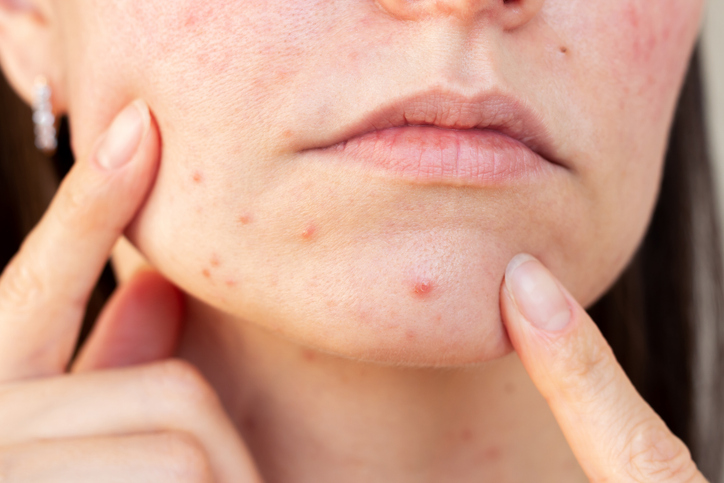
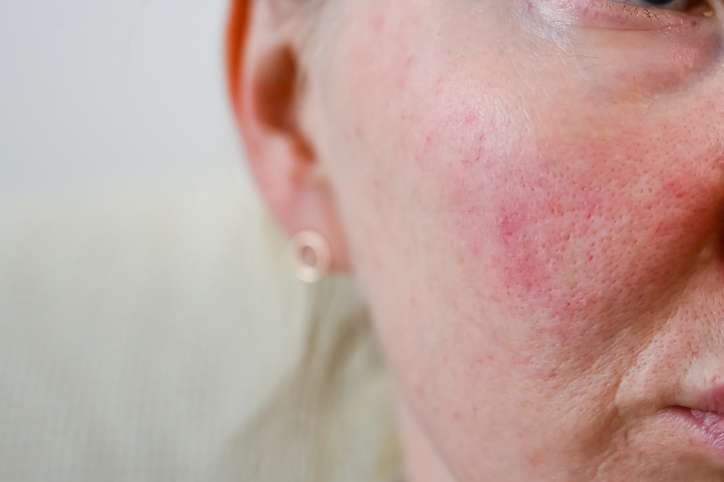
Rosacea is a chronic inflammatory skin condition that primarily affects the face, especially the cheeks, nose, chin, and forehead. It can cause persistent redness, flushing, visible blood vessels, and small red bumps that may resemble acne. Some people also experience dry, sensitive skin or eye irritation.
Symptoms vary from person to person. You may experience occasional flushing, while someone else may have more persistent redness or frequent inflammatory breakouts. Symptoms can also change over time, with periods of improvement followed by flare-ups.
Why do some people develop rosacea?
The exact cause of rosacea isn't fully understood. However, researchers believe it develops from a combination of genetic, environmental, and immune system factors. Changes in the skin's immune response and blood vessel activity may contribute to inflammation, redness, and sensitivity.
Rosacea is more common in adults, particularly people between 30 and 50, and those with fair skin. However, it can affect people of any skin tone. In darker skin, redness can be harder to see, so rosacea may go unrecognized or be mistaken for other conditions like acne or eczema. Having a family history of rosacea may also increase your likelihood of developing the condition. It's important to remember that rosacea isn't caused by poor hygiene, and it's not contagious.
What causes rosacea flare-ups?
Rosacea flare-ups happen when certain environmental, lifestyle, or skincare factors trigger an inflammatory response in the skin. They can cause blood vessels near the skin's surface to widen, leading to increased redness, flushing, warmth, and irritation.
While triggers vary from person to person, some of the most common causes of rosacea flare-ups include:
- Sun exposure: Sun exposure is one of the most common rosacea triggers. Ultraviolet (UV) radiation can increase inflammation and make sensitive skin more reactive. Even a short period outdoors without sun protection may cause facial flushing or redness that lasts for hours.
- Hot and cold temperatures: Extreme temperatures and sudden temperature changes can trigger rosacea symptoms. Hot weather, hot showers, saunas, and heated indoor environments may cause blood vessels to expand, leading to flushing. Cold weather, strong winds, and chilly temperatures can also irritate sensitive skin and contribute to flare-ups.
- Spicy foods and hot beverages: Certain foods and drinks can trigger rosacea symptoms, particularly those that cause your body temperature to rise. Spicy foods containing capsaicin, foods with cinnamon, hot coffee, tea, and other heated beverages may cause facial flushing. However, you don't necessarily need to eliminate these foods from your diet unless you notice a connection between them and your symptoms.
- Alcohol consumption: Alcohol can cause blood vessels to widen, making facial redness and flushing more noticeable. Red wine is a commonly reported trigger, but beer, liquor, and other alcoholic beverages may also contribute to flare-ups.
- Stress and strong emotions: Emotional stress, anxiety, embarrassment, and other intense feelings can trigger the body's stress response. This may increase blood flow to the face and contribute to flushing. Although stress doesn't cause rosacea, managing stress may help reduce the frequency of flare-ups.
- Intense physical activity: Exercise is important for your overall health, but strenuous workouts can sometimes trigger rosacea symptoms. Activities that increase your body temperature, such as running or cycling, may cause facial flushing. This doesn't mean you need to stop exercising. Instead, consider exercising in a cooler environment, taking breaks, and choosing shorter, lower-intensity workouts when possible.
- Skincare and haircare products: People with rosacea often have sensitive skin that reacts to certain ingredients and personal care products. Harsh cleansers, exfoliants, fragrances, and alcohol-based products may cause stinging, burning, itching, or increased redness. Haircare products like hairspray and other styling products can also contribute to flare-ups if they come into contact with your face.
- Certain medications: Some medications can cause facial flushing or make existing rosacea symptoms worse. For example, certain blood pressure medications and topical corticosteroids may contribute to redness or rosacea-like symptoms. If you suspect a medication is triggering your rosacea, talk with your prescribing provider. Don't stop taking a prescribed medication without medical guidance.
Remember, not everyone with rosacea has the same triggers. Something that causes a flare-up for one person may not affect someone else. Keeping track of your symptoms and daily activities can help you identify which factors are most likely to affect your skin.
Struggling with frequent flare-ups? Our dermatology providers offer comprehensive rosacea care in Cleveland, Columbus, Cincinnati, Dayton, and surrounding areas.
How can I prevent rosacea flare-ups?
Although it may not be possible to always prevent rosacea flare-ups, making a few adjustments to your daily routine can help reduce irritation and keep symptoms under control. The best approach combines gentle skincare, trigger management, and professional dermatology care when needed.
At-home rosacea treatment
A consistent skincare routine can help protect your skin barrier and minimize irritation. Consider the following tips:
- Use a gentle cleanser. Wash your face with a mild, fragrance-free cleanser and lukewarm water. Avoid scrubbing or using rough washcloths.
- Moisturize regularly. Apply a gentle moisturizer formulated for sensitive skin to help maintain your skin barrier and reduce dryness.
- Wear sunscreen daily. Use a broad-spectrum sunscreen with SPF 30 or higher. Mineral sunscreens containing zinc oxide or titanium dioxide may be less irritating for some people with rosacea.
- Avoid irritating ingredients. Limit products containing fragrance, alcohol, menthol, and harsh exfoliating ingredients. Introduce new products one at a time to see how your skin responds.
- Identify your personal triggers. Keep a rosacea diary to track your symptoms, skincare products, diet, exercise, and environmental exposures. This can help you recognize patterns and make informed adjustments.
- Find ways to stay cool. Use fans, seek shade, drink cool beverages, and take breaks during exercise to avoid overheating.
You don't need to avoid every potential rosacea trigger. Focus on the factors that consistently make your symptoms worse, as you identify them.
Professional rosacea treatment
If at-home skincare changes aren't enough to control your symptoms, a dermatology provider at DOCS Dermatology can recommend additional treatments based on your specific concerns.
Depending on your symptoms, professional rosacea treatment may include:
- Prescription topical medications: Medications such as azelaic acid, metronidazole, and ivermectin can help reduce inflammation and acne-like bumps associated with rosacea.
- Oral medications: Oral antibiotics, including doxycycline, may be prescribed to help manage moderate to severe inflammatory symptoms.
- Medications for persistent redness: Prescription treatments such as brimonidine or oxymetazoline can temporarily reduce facial redness by narrowing blood vessels.
- Laser and light therapy: Certain laser treatments and intense pulsed light (IPL) can help reduce visible blood vessels, persistent redness, and flushing.
Your provider will consider your symptoms, skin type, medical history, and treatment goals when recommending an approach. Some people benefit from combining prescription medications with laser or light-based treatments.
Where can I get rosacea treatment in Ohio?
If you're experiencing frequent rosacea flare-ups, a dermatology provider can help you understand what's triggering your symptoms and develop a treatment plan. DOCS Dermatology offers medical dermatology services at locations throughout Ohio, with providers who diagnose and treat rosacea and other chronic skin conditions.
Whether you're in Cleveland, Columbus, Cincinnati, Dayton, or surrounding areas, you can find a DOCS Dermatology office near you. With personalized care and a range of medical dermatology services, DOCS Dermatology can help you take the next step toward managing rosacea and feeling more comfortable in your skin.
Find a dermatology provider who specializes in rosacea at DOCS Dermatology location near you.
When to see a dermatology provider for rosacea
Occasional facial flushing doesn't necessarily mean you have rosacea. However, if you experience frequent redness, persistent flushing, visible blood vessels, or acne-like bumps that don't improve with over-the-counter products, consider scheduling a dermatology appointment. It's especially important to seek professional care if your symptoms are worsening, interfering with your daily life, or causing discomfort.
Pay attention to changes in your eyes, too. Rosacea can affect the eyes, causing dryness, irritation, burning, redness, and a gritty sensation. Contact a dermatology provider or eye doctor promptly if you experience these symptoms. Eye pain, light sensitivity, or changes in vision warrant urgent medical evaluation.
Early diagnosis and treatment can help manage symptoms, reduce flare-ups, and help prevent complications such as eye problems or, in some cases, thickening of the skin on the nose.
The bottom line
Rosacea flare-ups can be frustrating, especially when they seem to happen without warning. Sun exposure, temperature changes, stress, certain foods, and irritating skincare products are just a few factors that may contribute to symptoms. By identifying your personal triggers, following a gentle skincare routine, and working with a dermatology provider, you can reduce flare-ups and keep your symptoms under control.
FAQs about rosacea flare-ups
What is the most common trigger for rosacea flare-ups?
Sun exposure is one of the most commonly reported rosacea triggers. Other common triggers include heat, emotional stress, alcohol, spicy foods, strenuous exercise, and certain skincare products. However, triggers vary from person to person.
How do I know what's triggering my rosacea?
Keeping a rosacea diary can help you identify patterns. Track your symptoms alongside your diet, skincare routine, activities, stress levels, and environmental exposures. Over time, you may notice certain factors consistently contribute to flare-ups.
How long do rosacea flare-ups last?
The duration of a rosacea flare-up varies. Some people experience temporary flushing that resolves within a few hours, while others have redness, inflammation, or acne-like bumps that persist for days or longer.
Can stress cause rosacea to flare up?
Yes. Emotional stress can trigger the body's stress response, which may increase blood flow to the face and cause flushing. Stress management techniques, such as deep breathing, meditation, and regular physical activity, may help reduce stress-related flare-ups.
What foods should I avoid if I have rosacea?
Some people find that spicy foods, hot beverages, and alcohol trigger their rosacea symptoms. Other potential triggers include foods containing cinnamon or foods that cause an increase in body temperature. You don't need to avoid these foods unless you notice they worsen your symptoms.
Can you suddenly develop rosacea?
Yes. Rosacea often develops gradually during adulthood, but symptoms may seem to appear suddenly or become more noticeable over time. Early signs can include frequent facial flushing, persistent redness, and increased skin sensitivity.
Does rosacea ever go away permanently?
Rosacea is a chronic skin condition, meaning it doesn't currently have a cure. However, treatment can help manage symptoms, reduce flare-ups, and improve your skin's appearance. Some people experience long periods when their symptoms are mild or barely noticeable.
What is the best treatment for rosacea flare-ups?
The best treatment depends on your symptoms and their severity. Gentle skincare, daily sun protection, and avoiding personal triggers can help manage mild rosacea. Prescription medications and laser or light-based treatments may be appropriate for more persistent symptoms. A dermatology provider can help determine the best approach.
When should I see a dermatologist for rosacea?
Consider seeing a dermatologist if you experience persistent facial redness, frequent flushing, visible blood vessels, or acne-like bumps that don't improve with at-home care. A dermatology provider can confirm your diagnosis and recommend treatments to help control your symptoms.
Does DOCS Dermatology provide treatment for rosacea?
Yes. Our board-certified dermatology providers in Cleveland, Columbus, Cincinnati, Dayton, and surrounding areas provide expert diagnosis and treatment of rosacea, including prescription topical and oral medications as well as laser and light therapy.
Where is DOCS Dermatology located?
DOCS Dermatology has convenient locations across Cincinnati, Cleveland, Columbus, Dayton, and surrounding areas. Find a location near you.