What to know about at-home wart removal
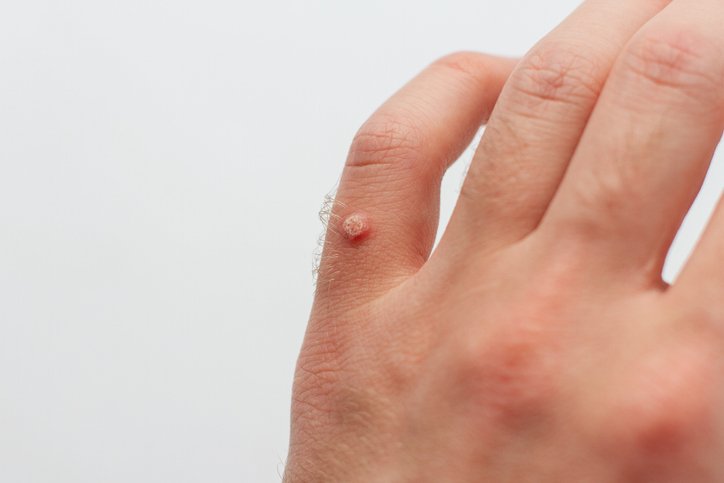 Warts are common skin growths that can develop on your hands, feet, and other parts of your body. Although many warts are harmless, they can be uncomfortable, embarrassing, or frustrating to deal with, especially when they stick around despite your best efforts to remove them.
Some warts can be treated at home with over-the-counter products. However, not every wart responds to at-home treatment, and some skin growths that look like warts may be something else entirely.
Here's what to know about the causes of warts, which at-home treatments may help, what to avoid, and when to see a dermatology provider for professional wart removal.
Key takeaways
- Warts are caused by the human papillomavirus (HPV) and may go away on their own, but this can take months or longer.
- At-home freezing products may be an option for some common warts, but they are not the same as professional cryotherapy.
- Avoid cutting, picking, burning, or using household chemicals to freeze warts, as these methods can cause injury, infection, or scarring.
- Warts on the face, genitals, or other sensitive areas should be evaluated by a healthcare professional.
- A dermatology provider can recommend treatment options if a wart is painful, persistent, spreading, or difficult to treat at home.
- DOCS Dermatology has convenient locations across Ohio, including Cincinnati, Columbus, Cleveland, Dayton, and surrounding areas for effective and prompt wart removal and treatment.
What causes warts?
Warts are noncancerous skin growths caused by the human papillomavirus (HPV). The virus infects the outer layer of skin, prompting skin cells to grow more rapidly and form a raised, rough, or thickened area.
HPV can enter the skin through small cuts, scrapes, or other breaks in the skin's protective barrier. Warts can also spread through direct contact with an existing wart or by touching contaminated surfaces.
Common types of warts include:
- Common warts: Often appear on the fingers, hands, and around the nails. They typically have a rough, raised surface.
- Plantar warts: Develop on the soles of the feet and may feel painful when walking or standing. Pressure can push them inward, making them appear flatter than other warts.
- Flat warts: Smaller, smoother growths that often appear in clusters on the face, hands, or legs.
- Filiform warts: Narrow, finger-like growths that commonly develop around the mouth, nose, or eyes.
- Genital warts: Develop on or around the genitals or anus and are caused by specific types of HPV. They require medical evaluation and different treatment approaches from common skin warts.
Warts can affect anyone, although children, people with weakened immune systems, and those with frequent skin injuries may be more susceptible. Some warts disappear without treatment as the immune system responds to the virus, but others can persist for months or years.
Can you remove warts at home?
Yes, certain warts can be treated at home, particularly common warts on the hands and plantar warts on the feet. Dr. Susan Nedorost, MD, says that at-home wart removal, when possible, is less painful and less likely to leave discoloration.
However, at-home treatment requires patience, and results aren't guaranteed. Before starting removal treatment, make sure the growth is likely to be a wart. If you’re unsure what it is, have a dermatology provider evaluate it rather than attempting to remove it yourself.
“Warts in the genital area or near the finger or toenails or other areas of delicate skin should not be removed at home, and patients who are immunocompromised should see a dermatology provider before removing warts at home,” says Dr. Nedorost.
Over-the-counter wart remover
Salicylic acid is a common ingredient in over-the-counter wart treatments. It works by gradually breaking down the thickened skin that makes up the wart, allowing the affected tissue to shed over time.
Depending on the product, salicylic acid treatments may come in liquid, gel, pad, or plaster form. Always follow the product instructions, and ask a healthcare professional if you're unsure whether a treatment is appropriate for you. Salicylic acid can irritate healthy skin, especially when used incorrectly. These products generally require consistent use over several weeks, and some treatments may take up to 12 weeks to work.
Over-the-counter freezing products
Some over-the-counter wart removers use a freezing agent to damage the wart tissue. These products are intended for certain common warts and are not the same as liquid nitrogen a dermatologist uses during an in-office cryotherapy. Effectiveness varies and freezing products may not be appropriate for every wart or patient. Follow the package directions carefully, including any age restrictions and precautions.
Do not use freezing products on the face, genitals, or other sensitive areas unless specifically directed by a healthcare professional. If you’re unsure which treatment is appropriate or the wart doesn’t improve, a dermatology provider can help you determine the next step.
What not to do when removing warts at home
Not every at-home wart removal method is safe.
Avoid trying to:
- Cut, shave, or dig out a wart with a blade or other sharp object.
- Burn a wart with a heated object or household chemical.
- Apply bleach, acids not intended for wart treatment, or other irritating substances.
- Pick or bite a wart, which can irritate the skin and potentially spread the virus.
- Use wart treatments on moles or other growths that haven't been identified as warts.
These methods can cause burns, bleeding, infection, scarring, and damage to surrounding skin. They can also delay the diagnosis of another skin condition.
People with diabetes, poor circulation, or reduced sensation in their feet should consult a healthcare professional before treating a wart themselves. Children may also need guidance from a healthcare professional before using certain wart products.
Wart diagnosis and removal are available with board-certified dermatology providers at DOCS Dermatology across Ohio in Cincinnati, Cleveland, Columbus, Dayton, and surrounding areas. Find a DOCS Dermatology location near you.
When to see a dermatologist for a wart
Although many warts are harmless, it's important to seek professional guidance when a growth is difficult to identify or isn't responding to treatment.
Consider making an appointment with a dermatology provider if:
- You're unsure whether the growth is a wart.
- The growth changes in color, shape, or size, or bleeds without an obvious reason.
- The wart is painful, itchy, spreading, or interfering with everyday activities.
- You have multiple warts or they keep coming back.
- At-home treatments haven't worked after following the product directions.
- The growth is on your face, near your eyes, or in your genital area.
- You have diabetes, poor circulation, or a weakened immune system and develop a suspected wart.
A dermatology provider can examine the growth and determine whether it is a wart or another skin condition. In some cases, a skin biopsy may be needed to confirm the diagnosis.
What happens during professional wart removal?
If an at-home treatment doesn't work, a dermatology provider can recommend other options based on the wart's location, size, type, how long you've had it, and other individual health considerations.
Common in-office wart removal treatments include:
- Cryotherapy: The dermatology provider applies liquid nitrogen to freeze the wart. The treated area may blister, and the wart may require multiple sessions to clear.
- Cantharidin: This medication is applied to the wart and causes a blister to form underneath it, helping separate the wart tissue from the skin. It is used for selected warts and isn't appropriate for every location or patient.
- Prescription topical medications: Certain prescription treatments can help remove stubborn warts or stimulate the body's immune response.
- Wart injection therapy with candida antigen: A small amount of purified yeast antigen is injected directly into a wart to alert your immune system to the presence of the wart virus. This can help your immune system to attack both the injected wart and distant untreated warts.
- Curettage or electrosurgery: In selected cases, a dermatology provider may remove wart tissue with a specialized instrument or use an electrical current to destroy it.
- Laser treatment: Certain lasers can target wart tissue or its blood supply and may be considered for difficult-to-treat warts.
Some warts need more than one treatment, and no method guarantees that a wart won't return. Your dermatology provider can discuss the potential benefits, risks, and likelihood of recurrence for each option.
Is in-office wart removal painful?
The level of discomfort depends on the treatment, the wart's location, and its size.
Cryotherapy often causes a brief stinging, burning, or aching sensation during and shortly after treatment, “like holding an ice cube too long,” says Dr. Nedorost, though most patients find it tolerable. Blistering and tenderness can occur as the skin heals. Other procedures may involve local anesthesia to help minimize discomfort.
Your dermatology provider can explain what to expect before treatment and recommend ways to manage discomfort afterward. Healing time also varies depending on the procedure and the location of the wart.
Wart removal at DOCS Dermatology
If you have a stubborn wart or aren't sure how to treat a skin growth, a dermatology provider at DOCS Dermatology, with convenient locations across Ohio, can help you understand your options. A board-certified provider can determine whether a growth is a wart and discuss appropriate treatment based on its location, appearance, and your medical history. Your provider can also help you decide whether to continue at-home care or consider an in-office procedure.
Whether you're dealing with a painful plantar wart or a persistent growth on your hand, professional guidance can help you pursue treatment while minimizing the risk of skin damage.
Find a DOCS Dermatology location near you to schedule an appointment and discuss your wart removal options.
The bottom line
Some warts can be treated at home with over-the-counter salicylic acid or freezing products, but results may take time. Avoid cutting, burning, or picking at warts, and don't use wart removers on growths that haven't been properly identified. If a wart is painful, spreading, persistent, or located on a sensitive area, a dermatology provider can help determine the best next step. Getting a professional evaluation can also help rule out other skin conditions that may resemble warts.
FAQs
Can warts go away on their own?
Yes. Some warts disappear without treatment as your immune system responds to HPV. However, this can take months or even years, and some warts persist or spread. Treatment may help remove them sooner.
How long does it take to remove a wart at home?
It depends on the wart and the treatment you use. Salicylic acid products may require several weeks of consistent use, sometimes up to 12 weeks. Follow the product instructions and consult a dermatologist if the wart doesn't improve.
Can I cut a wart off at home?
No. Cutting a wart yourself can cause bleeding, infection, scarring, and injury to surrounding skin. It may also spread the virus to other areas. A dermatologist can recommend a safer removal method.
Does duct tape remove warts?
Duct tape is sometimes used as a home remedy for warts, but evidence supporting its effectiveness is limited and inconsistent. It can also irritate the skin. Treatments containing salicylic acid have better-established evidence for treating common warts.
Can I use over-the-counter wart remover on my face?
No. Most over-the-counter wart removers aren't intended for facial use because they can damage sensitive skin and cause irritation or scarring. Have a dermatology provider evaluate facial growths before attempting treatment.
Do warts come back after removal?
Yes, they can. Wart treatments remove or destroy the visible growth, but they may not eliminate HPV from the surrounding skin. As a result, a wart can return after treatment, and new warts may develop.
When should I see a dermatologist for a wart?
See a dermatology provider if you're unsure whether a growth is a wart, it bleeds or changes in appearance, it's painful or spreading, or at-home treatments haven't worked. Professional evaluation is especially important for growths on the face or genitals and for people with diabetes or weakened immune systems.
Does DOCS Dermatology offer wart removal?
DOCS Dermatology providers can evaluate skin growths and discuss appropriate treatment options. Available services may vary by location across Ohio. Contact a nearby office to confirm available wart removal services.
Where is DOCS Dermatology located?
DOCS Dermatology has convenient locations across Cincinnati, Cleveland, Columbus, Dayton, and surrounding areas. Find a location near you.