What to expect before, during, and after a skin biopsy
 Skin biopsies are a minor, in-office surgical procedure that allows suspicious moles, growths, or rashes to be accurately diagnosed. Hearing your dermatology provider mention a biopsy can initially generate anxiety, fear, or uneasiness, often because of the unknowns surrounding the procedure. Understanding what to expect during a skin biopsy, how to care for the biopsy site, and when to expect your results can help make the experience less intimidating.
Why do dermatology providers perform skin biopsies?
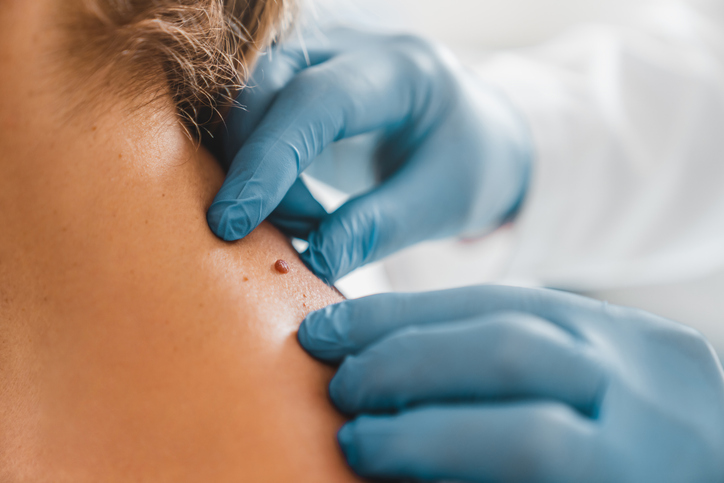
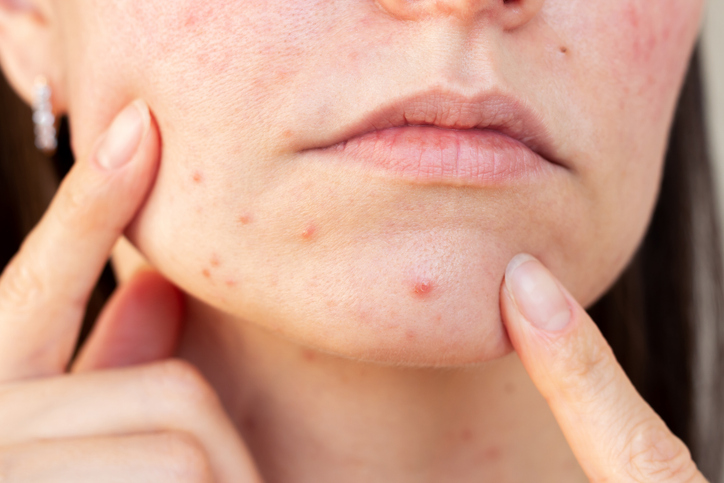
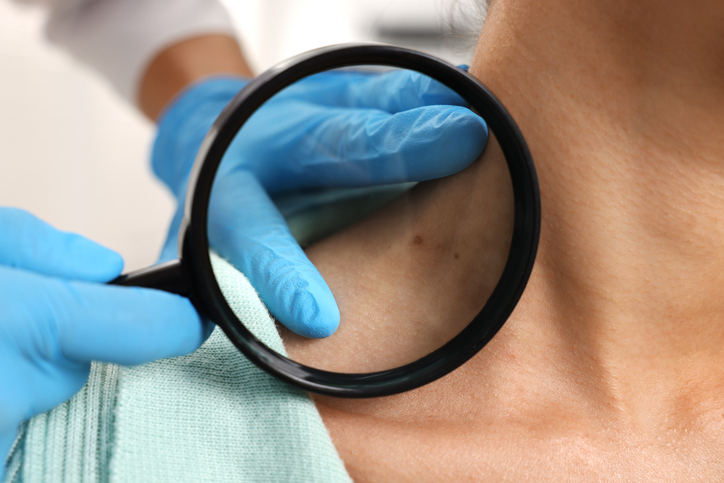
When a clinician discovers a lesion of concern, be it an unusual freckle, a bleeding mole, an atypical pink bump, or an unusual rash presentation, they will often discuss the option of performing a skin biopsy.
When a patient is offered a biopsy, that does not automatically mean the provider believes a cancerous etiology (cancer) is at play. When visualizing a lesion or rash, a provider often has a strong clinical suspicion about the type of skin cancer or dermatitis they are seeing. However, what cannot be determined from visual inspection alone is a definitive diagnosis.
All of this information is crucial in selecting the most appropriate treatment method.
A biopsy is a normal next step, not a diagnosis. DOCS Dermatology’s board-certified providers across Ohio can guide you through one with care.
What happens before a skin biopsy?
The first step is for the provider to educate the patient about how and why a biopsy is performed, the turnaround time, how results will be communicated, and aftercare instructions for the biopsy site.
If the patient has any questions about the information that has been discussed, they are always encouraged to ask. Upon being fully advised of the entire process, the provider will request and obtain the patient’s consent and proceed with the biopsy if the patient has verbalized their understanding and is in agreement with the proposed plan.
Other questions to ask your provider before a skin biopsy:
- What type of biopsy are you performing and why?
- Will I need stitches?
- Will there be any restrictions after the biopsy?
- How will I receive my results?
- When should I contact the office if I have not heard anything?
What happens during a skin biopsy?
The entire skin biopsy process only takes a few minutes. The lesion or rash as well as the surrounding skin will be thoroughly cleansed with a skin-safe disinfectant and allowed to dry. Then the affected skin will be numbed with a local anesthetic like lidocaine via a small needle stick.
Once sufficiently numbed, the provider will remove the tissue with either a blade or a tool called a punch, which removes a core sample of tissue rather than just a superficial specimen. The sample is placed in a bottle and labeled for the lab. The provider will then focus on stopping any bleeding at the biopsy site with one or multiple modalities like pressure, a solution called aluminum chloride, an electrocautery device, and/or sutures if necessary.
Lastly, the biopsy site is appropriately bandaged while the provider or medical assistant reiterates the aftercare instructions.
Does a skin biopsy hurt?
Skin biopsies are typically well-tolerated due to the area being numbed with a local anesthetic. The injection of the numbing agent may cause an initial pinching and burning sensation, but this lasts no more than 5-10 seconds. Although pressure or pulling at the site may be felt during the biopsy, patients should not feel sharp pain. If pain is experienced, the provider should be alerted right away.
How to care for your skin after a biopsy
The general recommendation for skin biopsies is to leave the initial bandage in place for 24 hours, unless visibly soiled. After that amount of time has elapsed, the patient or caregiver is to carefully remove the bandage, rinse the biopsy site with clean water, pat the area dry with a clean cloth, apply a generous layer of plain petrolatum/petroleum jelly, and re-cover with a size-appropriate bandage.
That process is to be repeated for 5-14 days, keeping in mind that individual instructions may vary depending on the biopsy type and location.
What happens after a skin biopsy?
Most DOCS Dermatology locations are able to render results within 7-10 business days or sooner. Once the provider has reviewed the pathology report, they will generate an appropriate treatment plan based on the results.
If the lesion is benign, the patient will be instructed to continue wound therapy until the biopsy site has completely healed. For rashes, the patient will either receive a call and/or be seen back in the office to discuss the results and go over how they will proceed.
If the results confirm that the biopsied lesion is malignant, the provider will choose the optimal therapy based on the pathology details. Some options include topical therapy, electrodesiccation and curettage (a scrape and burn procedure), a surgical excision, or a more in-depth treatment like Mohs micrographic surgery. If necessary, the dermatology provider may also include surgical/medical oncologists to collaborate with them on a patient’s treatment plan to ensure comprehensive care and optimized outcomes.
When the office calls the patient to discuss the biopsy results, they will delineate the recommended treatment plan and schedule the patient back in office if necessary. Patients are encouraged to ask any and all questions regarding their diagnosis and treatment plan to ensure full comprehension of what has been discussed.
Find mole, growth, and rash treatment near you in Ohio
DOCS Dermatology has board-certified dermatology providers across Ohio so comprehensive dermatology care for moles, growths, rashes, and other skin concerns is never far away. Our offices serve patients throughout Cincinnati, Cleveland, Columbus, Dayton, and surrounding areas.
Don’t wait on a mole, growth, or rash that’s bothering you. DOCS Dermatology offers timely appointments across Ohio. Find a location near you and get answers sooner.