LOCATIONS PROVIDERS
SERVICES
Services
We have a wide range of services designed to address your specific skincare needs.
ABOUT RESOURCES

Pay your bill in full

Quickly and securely pay your outstanding balance online in one easy step.

Pay in Full

Payment Plan

We've partnered with Sunbit to offer flexible payment plans so you can pay over time. Apply below.

Apply Now
HOME LOCATIONS PROVIDERS SERVICES ABOUT US RESOURCES BILL PAY CONTACT SCHEDULE NOW
Services / Acne & Acne Scars / Acne

Acne

Personalized acne care from board-certified dermatologists—prevent breakouts and achieve clearer, healthier skin.

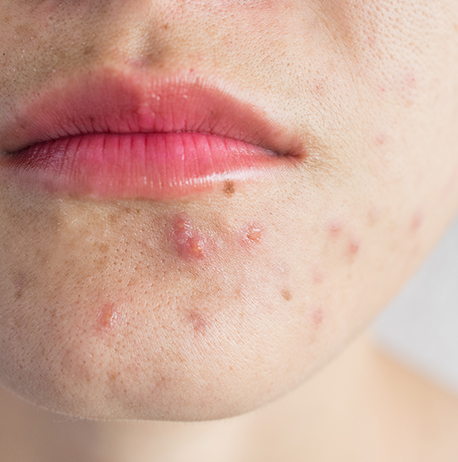
Acne affects more than 50 million people in the U.S., impacting both teenagers and adults. At DOCS Dermatology, we offer personalized acne treatment plans, including topical, oral, and cosmetic therapies, designed to target your specific type of acne and restore healthy skin.


What causes acne?
Acne is caused by multiple factors, with excess oil production being the most common. Other contributing factors include:

Hormonal changes: Puberty, menstruation, pregnancy, and menopause lead to hormone fluctuations, which can increase the skin’s oil production.

Genetics: If your parents had acne, you’re more likely to have it, too.

Diet: Some people may experience a link between their breakouts and certain foods, such as dairy or high-carb foods.

Cosmetic products: Certain products, like oil-based makeup, sunscreens, and haircare products can clog pores.

Stress: Hormones released during times of stress, like cortisol, can increase inflammation and oil production.
What are the different types of acne?
A board-certified dermatologist can evaluate your skin to determine which type of acne you have and recommend the most effective treatment. The most common types of acne are:

Comedonal acne: Blackheads and whiteheads
Hormonal acne: Breakouts on the lower face, jawline, or neck, often related to hormone fluctuations
Cystic acne: Deep, sometimes painful pimples that may be pus-filled
Fungal acne: Inflamed or itchy breakouts as a result of yeast getting into the hair follicles
Nodular acne: Large, deep pimples beneath the skin that can persist for weeks
How do we treat acne?
Every acne treatment plan is tailored to each individual based on your type of acne, skin type, and lifestyle. Treatment typically includes one or more of the following:

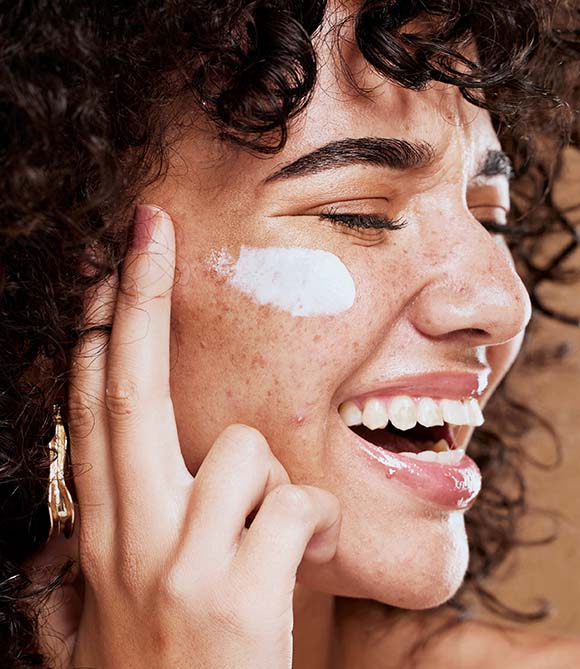
Topical treatments: Active ingredients like benzoyl peroxide, salicylic acid, retinoids, and antibiotics help kill bacteria, reduce inflammation, and promote the shedding of dead skin cells.

Oral medications: Antibiotics and hormone-based treatments, like birth control, kill bacteria and help regulate hormone levels.

Cosmetic treatments: Therapies like chemical peels, microdermabrasion, and laser and light treatments can reduce the appearance of acne, and support long-term skin health.

Prioritize your skin health with expert dermatology care.

Our board-certified dermatologists and plastic surgeons, cosmetic dermatology providers, and fellowship-trained Mohs surgeons provide best-in-class treatment for all your skin health needs.

BOOK NOW
Locations Near You
Finding locations near you...
Locations Near You
Finding locations near you...

Frequently asked Questions

What causes acne?
The primary cause of acne is excess oil production, but other factors can contribute, including hormonal changes, genetics, diet, cosmetic products, and stress.
What are the different types of acne?
The most common types of acne are comedonal acne, hormonal acne, cystic acne, fungal acne, and nodular acne. A board-certified dermatologist can assess which one you’re experiencing and how best to treat it.
Can I get acne as an adult?
Yes. Even though acne is most common among teenagers, people can develop acne at any age.
How can I prevent acne?
There are things you can do at home to help support professional acne treatment, such as washing your face daily with a gentle cleanser, keeping makeup brushes and sponges clean, using non-comedogenic skincare and makeup products, avoiding picking or squeezing pimples, staying hydrated, and getting enough sleep.
When should I see a dermatologist for acne?
If persistent acne affects your confidence, comfort, or quality of life, a board-certified dermatologist can assess your skin and create a personalized treatment plan.

Learn More