LOCATIONS PROVIDERS
SERVICES
Services
We have a wide range of services designed to address your specific skincare needs.
ABOUT RESOURCES

Pay your bill in full

Quickly and securely pay your outstanding balance online in one easy step.

Pay in Full

Payment Plan

We've partnered with Sunbit to offer flexible payment plans so you can pay over time. Apply below.

Apply Now
HOME LOCATIONS PROVIDERS SERVICES ABOUT US RESOURCES BILL PAY CONTACT SCHEDULE NOW
Services / Skin Cancer, Lesions & Mohs Surgery / Squamous Cell Carcinoma

Squamous Cell Carcinoma

Expert squamous cell carcinoma diagnosis and treatment from board-certified Ohio dermatologists.

At DOCS Dermatology, our board-certified dermatologists and fellowship-trained Mohs surgeons provide advanced, personalized treatment for squamous cell carcinoma (SCC), including early detection, precise removal, and long-term skin cancer monitoring to protect your health and achieve the best possible outcome.


What is squamous cell carcinoma?
Squamous cell carcinoma is a common skin cancer that can develop from prolonged sun exposure or precancerous lesions like actinic keratoses. While SCC is often curable, it can grow deeper into the skin or spread to other areas if untreated. Early detection is critical to ensure effective treatment and minimize tissue damage.
What types of squamous cell carcinoma do we treat?
We diagnose and treat all types of squamous cell carcinoma, including:

Precancerous sun spots (actinic keratoses): Rough, scaly patches caused by sun damage that can sometimes turn into skin cancer if untreated.
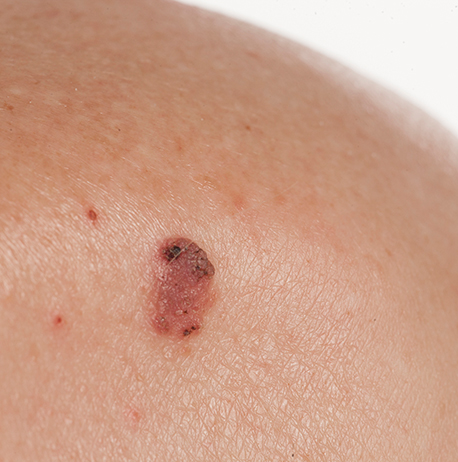
Typical squamous cell carcinoma: Firm, red bumps or scaly patches that may crust, bleed, or grow over time.
Rapidly growing bumps (keratoacanthomas): Dome-shaped spots that can appear quickly and may look like a small volcano.Early-stage SCC (Bowen’s disease): Red, scaly patches limited to the top layer of skin, growing slowly but needing treatment.
Recurrent SCC: Cancer that comes back after previous treatment, which may require specialized care like Mohs surgery.
What are the symptoms and warning signs of squamous cell carcinoma?
CC can appear differently depending on the person and the area of the body affected. You should schedule a skin exam if you notice any of the following:

Rough, scaly, or crusted patches that may become thickened over time
Firm, red bumps that grows slowly
Open sores that bleed or do not heal within a few weeks
Wart-like growth that may increase in size
Tender or painful lesion that persists
Raised, hardened, or ulcerated patches
Rapidly growing lesions, especially on sun-exposed areas such as the face, scalp, neck, ears, forearms, or hands

Because SCC can become invasive if left untreated, early diagnosis by a dermatologist is essential for the best outcomes.
How do we treat squamous cell carcinoma?
Your dermatologist will determine a customized treatment plan based on the tumor’s size, depth, type, and location. Treatment options include:

Mohs micrographic surgery: The most precise and effective treatment for SCC on the face or other high-risk areas, offering the highest cure rate while preserving healthy tissue.
Standard surgical excision: Removes the cancer with a margin of normal skin; a common and effective treatment for many SCCs.
Electrodesiccation and curettage (ED&C): A quick in-office treatment for small or superficial SCCs or SCC in situ.
Topical chemotherapy or immunotherapy creams: Treatments such as fluorouracil or imiquimod for early-stage or in-situ lesions.
Radiation therapy: An option for patients who cannot undergo surgery or prefer nonsurgical treatment.
Regular full-body skin exams: Continuous monitoring to detect new or recurrent cancers early.

Prioritize your skin health with expert dermatology care.

Our board-certified dermatologists and plastic surgeons, cosmetic dermatology providers, and fellowship-trained Mohs surgeons provide best-in-class treatment for all your skin health needs.

BOOK NOW
Locations Near You
Finding locations near you...
Locations Near You
Finding locations near you...

Frequently asked Questions

What causes squamous cell carcinoma?
Squamous cell carcinoma (SCC) develops primarily from long-term UV exposure, whether from natural sunlight or tanning beds. Additional risk factors include fair skin, a weakened immune system, chronic skin inflammation or scars, certain strains of HPV, and a personal history of precancerous lesions such as actinic keratoses.
What does squamous cell carcinoma look like?
SCC may appear as a scaly patch, firm bump, open sore, or wart-like growth. Any lesion that crusts, bleeds, or doesn’t heal should be examined promptly.
How is squamous cell carcinoma diagnosed?
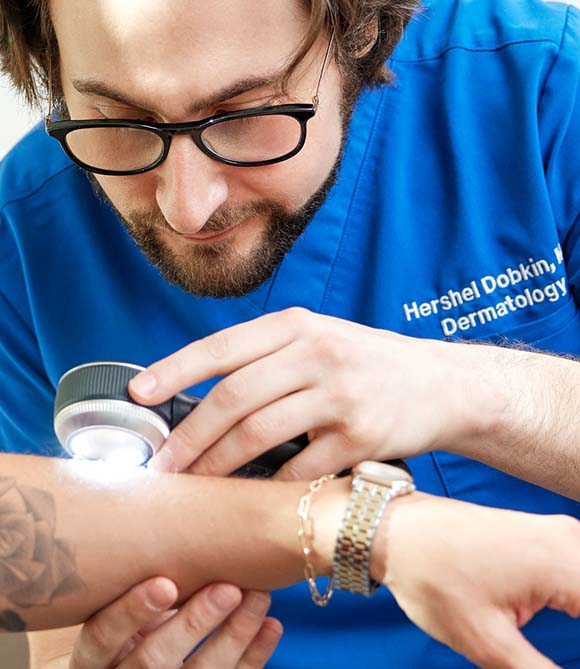
A dermatologist will closely examine the lesion during your visit. If SCC is suspected, a skin biopsy will be performed to confirm the diagnosis and determine the subtype, depth, and aggressiveness of the cancer.
Is squamous cell carcinoma dangerous?
It can be. While SCC is often curable when caught early, it can grow deeper or spread to other parts of the body if untreated.
How quickly does SCC grow?
Some forms grow slowly, while others, like keratoacanthomas, can grow rapidly. Any sudden or persistent skin change should be evaluated.
How is squamous cell carcinoma treated?
Treatment depends on the cancer’s size, depth, location, and subtype. Our dermatologists offer Mohs surgery, standard excision, electrodesiccation and curettage (ED&C), topical chemotherapy or immunotherapy, radiation therapy, and long-term screenings.
Can squamous cell carcinoma come back after treatment?
Yes. SCC can recur, especially in high-risk cases. Regular dermatology follow-up is essential.
How can I prevent squamous cell carcinoma?
Use daily sunscreen, avoid tanning beds, wear protective clothing, and schedule yearly full-body skin exams.
When should I see a dermatologist?
If you notice a new, changing, painful, or non-healing lesion, you should schedule an appointment as soon as possible.

Learn More