LOCATIONS PROVIDERS
SERVICES
Services
We have a wide range of services designed to address your specific skincare needs.
ABOUT RESOURCES

Pay your bill in full

Quickly and securely pay your outstanding balance online in one easy step.

Pay in Full

Payment Plan

We've partnered with Sunbit to offer flexible payment plans so you can pay over time. Apply below.

Apply Now
HOME LOCATIONS PROVIDERS SERVICES ABOUT US RESOURCES BILL PAY CONTACT SCHEDULE NOW
Services / Skin Cancer, Lesions & Mohs Surgery / Mohs Surgery

Mohs Surgery

Expert Mohs surgery in Ohio—precise skin cancer removal with the highest cure rate and minimal impact on healthy tissue.

Mohs micrographic surgery is the most effective technique for treating many common skin cancers, especially in delicate or highly visible areas like the face, ears, hands, neck, and scalp. Schedule a consultation with a fellowship-trained Mohs surgeon at DOCS Dermatology as early as this week.


What is Mohs surgery, and when is it recommended?
Mohs surgery is a specialized surgical technique used to treat certain types of skin cancer. Mohs surgery offers the highest cure rate—up to 99% for certain cancers—by examining every margin of removed tissue in real time. This ensures that all cancer cells are eliminated while preserving the greatest amount of healthy skin.

This procedure is especially recommended for cancers located on sensitive or highly visible areas such as the face, including the nose, eyelids, lips, and cheeks, as well as the ears, scalp, hands, feet, neck, genital areas, and areas where cancer has recurred or been previously treated.
Which skin cancers are treated with Mohs surgery?
Mohs surgery is most effective for skin cancers that require intricate, precise removal or have a higher likelihood of recurrence. These include:

Basal cell carcinoma (BCC): The most common form of skin cancer, which can grow deeply into surrounding tissue if not fully removed. Mohs ensures complete clearance.
Squamous cell carcinoma (SCC): A faster-growing cancer that can spread if untreated. Mohs reduces the risk of recurrence and preserves critical tissue.
Melanoma in situ (early melanoma): In select cases, Mohs can be used to remove thin melanomas with detailed margin evaluation.
Recurrent skin cancers: Mohs is ideal for cancers that return after previous treatment, offering the most comprehensive tissue analysis available.
Cancers in cosmetically or functionally sensitive areas: Where sparing healthy skin is essential for appearance and movement.
How does Mohs surgery work?
Mohs surgery is completed in stages over the course of a single visit, using local anesthesia to ensure comfort. The process is methodical, precise, and designed to ensure every cancer cell is removed.

Here’s what you can expect with Mohs surgery:
1. Remove the first layer: Your Mohs surgeon removes a thin layer of visible cancerous tissue.
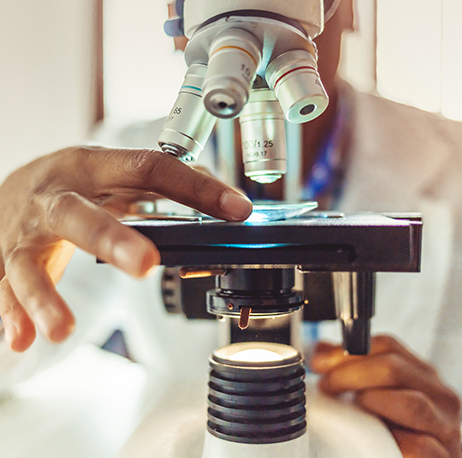
2. Immediate microscopic analysis: The tissue is processed and examined on-site, allowing your surgeon to map the cancer’s exact location.
3. Layer-by-layer removal: If cancer cells are found at the margins, additional layers are removed only from areas where cancer remains.
4. Clear margins: This process continues until all cancer cells are eliminated.
5. Reconstruction and repair: Once the cancer is cleared, your surgeon repairs the area using stitches, skin flaps, or skin grafts.

Prioritize your skin health with expert dermatology care.

Our board-certified dermatologists and plastic surgeons, cosmetic dermatology providers, and fellowship-trained Mohs surgeons provide best-in-class treatment for all your skin health needs.

BOOK NOW
Locations Near You
Finding locations near you...
Locations Near You
Finding locations near you...

Frequently asked Questions

Is Mohs surgery painful?
Mohs surgery is performed under local anesthesia, so most patients feel little to no discomfort during the procedure. Mild soreness afterward is common and manageable with over-the-counter medication.
Can Mohs surgery treat melanoma?
Mohs surgery is most commonly used for basal cell and squamous cell carcinoma, but it can also be used for certain melanoma in situ or very early melanomas. Your dermatologist will determine whether Mohs or standard excision is the safest and most effective treatment for your diagnosis
How long does Mohs surgery take?
Because each tissue layer is examined in real time, the procedure can take anywhere from 1–4 hours, depending on how many stages are required.
What is the recovery time after Mohs surgery?
Most patients return to normal activities within a few days. The healing timeline depends on the size and location of the surgical site and the type of repair performed.
How soon will I receive results from Mohs surgery?
One of the advantages of Mohs is that results are evaluated immediately. Each tissue layer is examined during the procedure, so you leave knowing whether all cancer cells have been removed.
Will Mohs surgery leave a scar?
Any skin procedure can leave a scar, but Mohs surgery minimizes scarring by removing only the tissue necessary. Reconstruction techniques are selected to achieve the best cosmetic result.
What is the success rate of Mohs surgery?
Mohs has one of the highest cure rates of any skin cancer treatment—up to 99% for certain basal and squamous cell carcinomas.
Is Mohs surgery covered by insurance?
Most insurance plans cover Mohs surgery when medically necessary. Our team can help verify your coverage prior to your visit.
Can Mohs surgery be repeated if skin cancer returns?
Yes. Mohs surgery is highly effective even for recurrent cancers. If a skin cancer reappears in the same area, Mohs often remains the preferred treatment because of its precision and high cure rate.
Do I need a referral for Mohs surgery?
Most insurance plans do not require a referral, but coverage varies. We can help confirm requirements based on your plan.
How should I prepare for Mohs surgery?
On the day of surgery, eat a normal meal, stay well-hydrated, and wear comfortable clothing. Plan to bring a book, your phone, or something to keep you occupied, as Mohs surgery is performed in stages and may take several hours. If your surgery is near the eyes, nose, or mouth, consider arranging for a caregiver to drive you home.
What should I expect during recovery?
Recovery after Mohs surgery is typically straightforward, but healing time varies depending on the size and location of the surgical site. You can expect mild swelling, bruising, or tenderness for several days. Your dermatologist will provide detailed wound-care instructions, which may include keeping the area clean, applying a topical ointment, changing bandages regularly, and avoiding strenuous activity until the site has healed.

Learn More