LOCATIONS PROVIDERS
SERVICES
Services
We have a wide range of services designed to address your specific skincare needs.
ABOUT RESOURCES

Pay your bill in full

Quickly and securely pay your outstanding balance online in one easy step.

Pay in Full

Payment Plan

We've partnered with Sunbit to offer flexible payment plans so you can pay over time. Apply below.

Apply Now
HOME LOCATIONS PROVIDERS SERVICES ABOUT US RESOURCES BILL PAY CONTACT SCHEDULE NOW
Services / Skin Cancer, Lesions & Mohs Surgery / Melanoma

Melanoma

Advanced melanoma detection and treatment from board-certified Ohio skin cancer specialists

Our fellowship-trained Mohs and skin cancer surgeons at DOCS Dermatology specialize in early detection, precise diagnosis, and comprehensive treatment of melanoma. Consultations available as early as this week.


What is melanoma?
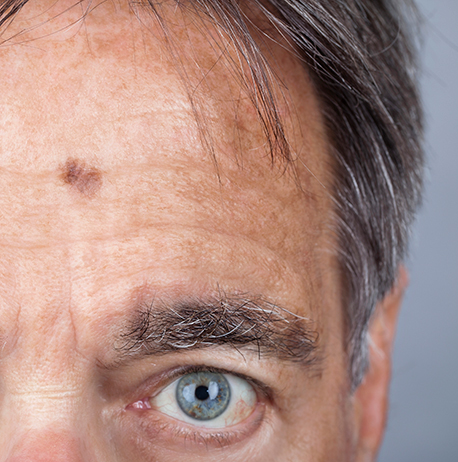
Melanoma is a serious type of skin cancer that develops when the pigment-producing cells (melanocytes) in your skin become abnormal and grow uncontrollably. Unlike some other skin cancers, melanoma can spread to other parts of the body if not detected early. Risk factors include UV exposure from the sun or tanning beds, fair skin, genetics, multiple moles, weakened immune system, and a history of severe sunburns.

Early detection is crucial—melanoma can appear anywhere on the body, including areas not typically exposed to the sun. Regular skin checks help catch melanoma before it spreads, which significantly improves treatment outcomes.
What types of melanoma do we treat?
We treat all types of melanoma, offering precise diagnosis and customized treatment plans. The most common types of melanoma include:

Superficial spreading melanoma: The most common type, often appearing as a changing mole with irregular borders or multiple colors.
Nodular melanoma: A fast-growing, dome-shaped lesion that may be dark, red, or skin-colored.
Lentigo maligna melanoma: Slow-growing melanoma that develops on sun-damaged skin, especially the face in older adults.
Acral lentiginous melanoma: Appears on the palms, soles, or under the nails; more common in people with darker skin tones.
Amelanotic melanoma: Lacks pigment, making it pink, red, or skin-colored—and more challenging to detect early.
What are the symptoms and warning signs of melanoma?
Melanoma can look different from person to person, but dermatologists recommend monitoring your skin using the ABCDE rule:

A – Asymmetry: One half of the mole doesn’t match the other
B – Border: Edges are uneven, scalloped, or poorly defined
C – Color: Multiple colors or uneven pigmentation
D – Diameter: Larger than a pencil eraser (6mm), though melanomas can be smaller
E – Evolving: Any change in size, shape, color, or symptoms

Additional warning signs include a new or unusual mole, a sore that does not heal, a mole that becomes painful, itchy, or bleeds, or a dark streak appearing under a fingernail or toenail.

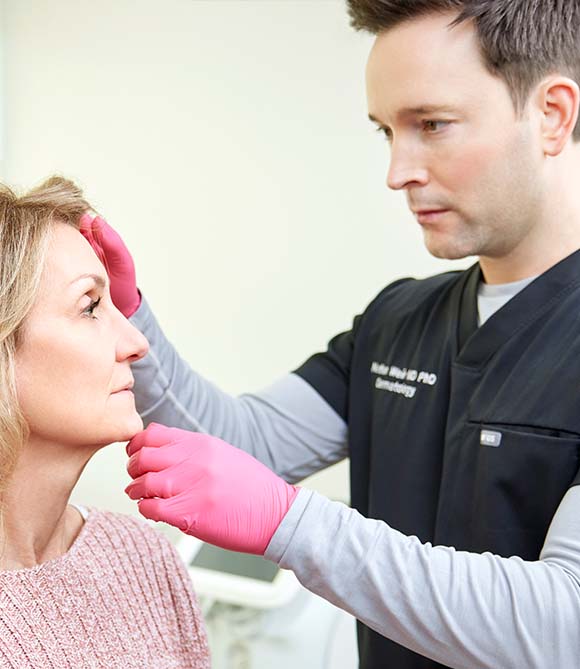
Schedule an evaluation with a dermatologist if any skin growths looks new, changing, or concerning—early detection is crucial.
How do we treat melanoma?
Melanoma treatment depends on the stage, depth, and location of the cancer. Your dermatologist may recommend:

Surgical excision: The primary treatment for early melanoma, removing the tumor with a margin of healthy skin.
Mohs micrographic surgery: Used for select early melanomas, especially on the face, where tissue preservation is essential.
Sentinel lymph node biopsy: Performed for deeper melanomas to assess possible spread.
Immunotherapy: Advanced medications that help your immune system attack melanoma cells.
Targeted therapy: Treatments designed for melanomas with specific gene mutations (such as BRAF).
Radiation therapy: Used in certain cases when surgery isn’t possible or for advanced disease.
Routine skin cancer screenings: Ongoing monitoring to detect recurrence or new melanomas early.

Prioritize your skin health with expert dermatology care.

Our board-certified dermatologists and plastic surgeons, cosmetic dermatology providers, and fellowship-trained Mohs surgeons provide best-in-class treatment for all your skin health needs.

BOOK NOW
Locations Near You
Finding locations near you...
Locations Near You
Finding locations near you...

Frequently asked Questions

What does melanoma look like?
Melanoma may appear as a changing mole, a new spot on the skin, or a lesion with irregular borders or multiple colors. The ABCDE rule helps identify early warning signs.
What causes melanoma?
Melanoma develops when melanocytes are damaged, often due to UV exposure from the sun or tanning beds. Other risk factors include fair skin, genetics, multiple or atypical moles, a weakened immune system, or a history of severe sunburns.
How dangerous is melanoma?
Melanoma is the most serious type of skin cancer because it can spread quickly to other organs. Early detection dramatically improves outcomes.
Is melanoma always caused by sun exposure?
Not always. While UV damage is a major contributor, genetics and immune system factors also play significant roles.
Can melanoma appear on areas not exposed to the sun?
Yes. Melanoma can develop on the palms, soles, under nails, or inside the mouth and eyes. Any suspicious spot should be evaluated, no matter where it is on the body.
How quickly does melanoma spread?
Some melanomas grow slowly, while others, such as nodular melanoma, can advance more rapidly. Prompt diagnosis and treatment are key.
Can melanoma return after treatment?
Yes. Regular follow-up exams are critical to detect recurrence early, especially for people treated for deeper or advanced melanomas.
How often should I get skin checks?
Most people do best with a full-body skin exam every 6–12 months. If you have higher risk factors—like a history of skin cancer, many moles, fair skin, or significant sun exposure—your dermatologist may recommend more frequent visits. Regular exams help catch suspicious spots early, before they become more serious.

Learn More