LOCATIONS PROVIDERS
SERVICES
Services
We have a wide range of services designed to address your specific skincare needs.
ABOUT RESOURCES

Pay your bill in full

Quickly and securely pay your outstanding balance online in one easy step.

Pay in Full

Payment Plan

We've partnered with Sunbit to offer flexible payment plans so you can pay over time. Apply below.

Apply Now
HOME LOCATIONS PROVIDERS SERVICES ABOUT US RESOURCES BILL PAY CONTACT SCHEDULE NOW
Services / Skin Cancer, Lesions & Mohs Surgery / Skin Cancer Screening / Full Body Exam

Skin Cancer Screening / Full Body Exam

Comprehensive skin cancer screenings in Ohio—early detection, expert evaluation, and peace of mind.

Skin cancer is the most common cancer in the United States, but it’s also one of the most treatable when detected early. At DOCS Dermatology, our board-certified dermatologists and skin cancer specialists provide thorough, head-to-toe skin exams designed to identify suspicious moles, precancerous lesions, and early signs of skin cancer—whether you’re at high risk, have a changing spot, or simply want to be proactive.


What is a skin cancer screening?
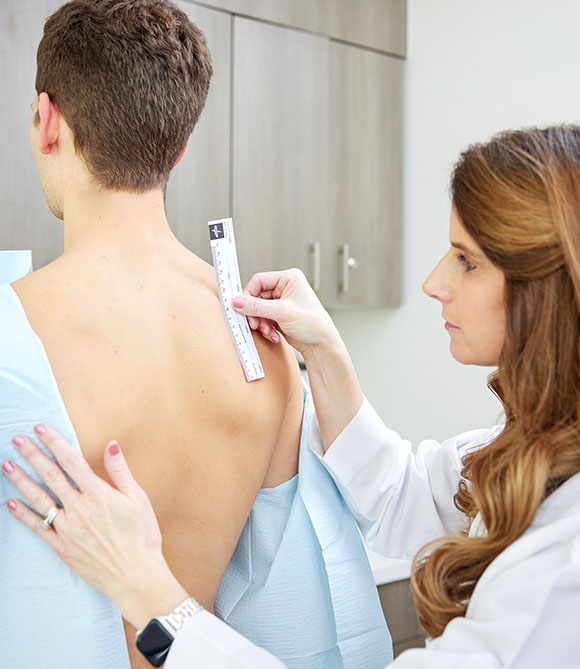
A skin cancer screening, also called a full-body skin exam, is a preventive, noninvasive evaluation performed by a dermatologist to detect abnormal moles, lesions, or early signs of skin cancer. During your exam, your dermatologist will carefully examine your scalp, face, trunk, arms, legs, hands, feet, and nails to catch changes that may be difficult to notice on your own.

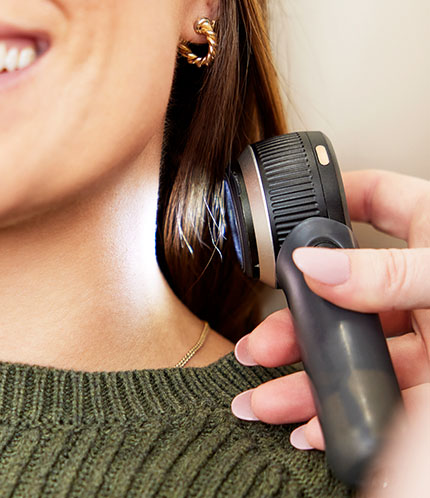
We use advanced tools such as dermoscopy (a magnified skin evaluation device) to assess pigmented spots, track changes over time, and identify lesions that may require biopsy or treatment. If something suspicious is found, we may perform an in-office biopsy for a fast, accurate diagnosis, or we’ll document the lesion with photos in order to monitor changes over time.

Skin cancer screenings are thorough, comfortable, and completed in a private exam room. Most screenings take 10–20 minutes and require no downtime.
What do we look for during a skin cancer screening?
During your exam, we check the full surface of your skin for signs of:

New or changing moles: Any spot that looks different from the others or changes in size, shape, or color.
Rough, scaly patches: Areas of sun-damaged skin that may need monitoring or treatment.
Sores or bumps that don’t heal: Any persistent spot that crusts, bleeds, or feels tender.
Unusual growths or lumps: Small bumps, firm spots, or irritated areas that may need follow-up.
Signs of sun damage: Discoloration, thickened skin, or other changes that could increase skin cancer risk.

Early detection is key. If you notice any new, changing, or unusual spots on your skin, a full-body skin exam with a board-certified dermatologist can provide peace of mind and prompt treatment if needed.
When should I schedule a skin cancer screening?
It’s a good idea to schedule a skin check at least once a year to be proactive about your skin health. However, regardless of your last skin check, you should seek evaluation if you have:

New or changing spots on your skin
Bumps, patches, or discoloration that doesn’t go away
A personal or family history of skin cancer

The ABCDE rule is a helpful guide for melanoma: Asymmetry, Border irregularity, Color variation, Diameter > 6 mm, Evolving or changing.

If you notice any of these signs, schedule an exam promptly—even if you’re not due for a routine screening.

Prioritize your skin health with expert dermatology care.

Our board-certified dermatologists and plastic surgeons, cosmetic dermatology providers, and fellowship-trained Mohs surgeons provide best-in-class treatment for all your skin health needs.

BOOK NOW
Locations Near You
Finding locations near you...
Locations Near You
Finding locations near you...

Frequently asked Questions

How often should I get a skin cancer screening?
Everyone should get an annual full-body exam, but those with a history of skin cancer, numerous moles, fair skin, or significant sun exposure may need more frequent screenings.
What should I do before a skin cancer screening?
Come with clean skin and remove nail polish if possible. Make note of any new or changing spots so you can point them out during your exam.
Are skin cancer screenings covered by insurance?
Many insurance plans cover screenings when they’re medically necessary, especially if you have concerning symptoms or a history of skin cancer. Coverage varies—our team can help review your benefits.
Do skin cancer screenings hurt?
No. Screenings are noninvasive and painless. If a biopsy is needed, a small amount of numbing medication ensures comfort.
What happens if the dermatologist finds something suspicious?
We may perform a quick, in-office biopsy the same day. Results typically return within a week, and we’ll discuss next steps if treatment is needed.
Who is at higher risk for skin cancer?
Individuals with fair skin, a history of sunburns, tanning bed use, numerous moles, a family history of melanoma, weakened immune systems, or significant lifelong sun exposure are at increased risk.
When should I schedule my first skin exam?
Schedule your first skin exam as soon as possible to be proactive about your skin health.
If my biopsy is positive, what are the treatment options?
Treatment options vary widely depending on the type and stage of skin cancer, but treatments may include Mohs surgery, cryotherapy, surgical excision, topical chemotherapy or immunotherapy creams, or electrosurgery and curettage.

Learn More