LOCATIONS PROVIDERS
SERVICES
Services
We have a wide range of services designed to address your specific skincare needs.
ABOUT RESOURCES

Pay your bill in full

Quickly and securely pay your outstanding balance online in one easy step.

Pay in Full

Payment Plan

We've partnered with Sunbit to offer flexible payment plans so you can pay over time. Apply below.

Apply Now
HOME LOCATIONS PROVIDERS SERVICES ABOUT US RESOURCES BILL PAY CONTACT SCHEDULE NOW
Services / Inflammatory & Autoimmune Disorders / Eczema

Eczema

Eczema can be debilitating—but there’s hope. At DOCS Dermatology, we provide personalized eczema treatment to help you get your life back.

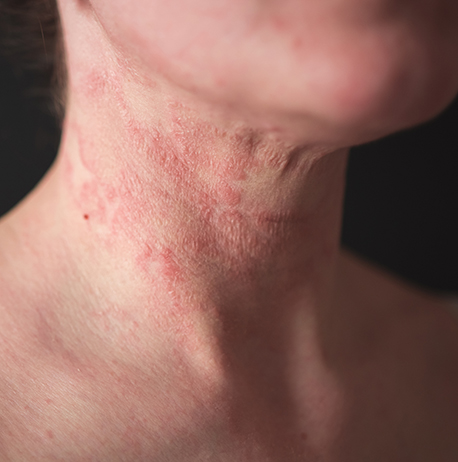
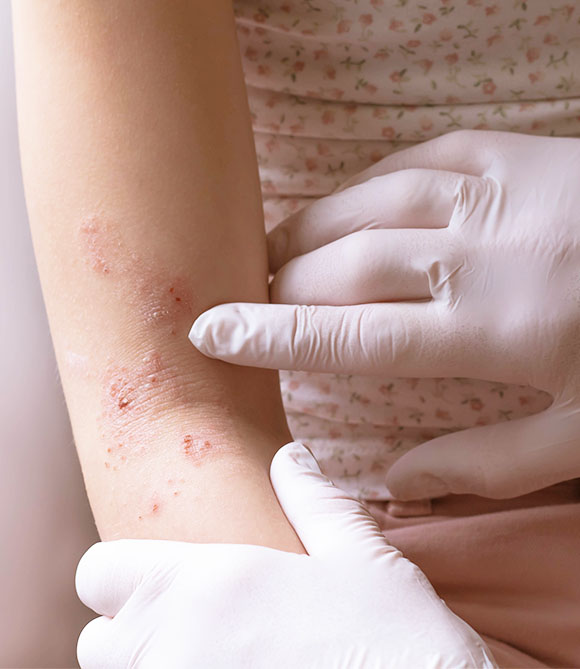
Eczema, also known as atopic dermatitis, impacts more than 30 million Americans. This chronic condition causes red, itchy, and scaly rashes. With modern treatment options—including biologic injections, oral medications, and topical therapies—eczema can be effectively managed.


How do you know if it’s eczema?
Symptoms may vary from person to person, but these are the most common symptoms of eczema. See an eczema dermatologist if any of the following interfere with sleep, work, or comfort:

Itchy skin: Persistent itching may disrupt sleep and daily activities.
Dry skin: Skin may feel rough or cracked, often worsening in cold weather.
Scaly patches: Skin may feel uneven, shiny, or leathery.
Inflamed or swelling skin: Skin may be red, risen, or tender.
Discolored skin: Skin may be pink, white, or light-colored.
Oozing or crusting skin: Skin may eliminate pus or have a layer of crust.
What causes eczema?
For many people, eczema is genetic. Other times, it may be caused by environmental factors, stress, or a weakened skin barrier. Eczema flare-ups may be triggered by:

Product or material triggers: Soaps or lotions with harsh ingredients or scents, and fabrics like wool, polyester, or synthetic fabrics
Environmental triggers: Weather changes, such as dry, cold weather or hot, humid weather
Allergy triggers: Metals like nickel, cobalt, or chromium, and dust, pollen, or mold
Lifestyle triggers: Stress or anxiety
How do we treat eczema?
There’s no one-size-fits-all treatment for eczema—but with today’s therapies, most people can achieve clear, comfortable skin. Your dermatologist will tailor a plan based on your symptoms, triggers, and lifestyle, but it typically involves one or more of the following:

Biologic injections: For severe eczema unresponsive to traditional therapies.
Oral medication: Such as antihistamines, corticosteroids, or JAK inhibitors to reduce itchiness and inflammation.
Topical treatment: Moisturizers and steroid creams to soothe inflammation and dryness.
Lifestyle or hygiene changes: Reducing stress, moisturizing consistently, avoiding too-hot showers, and avoiding known irritants can help minimize flare-ups.

Prioritize your skin health with expert dermatology care.

Our board-certified dermatologists and plastic surgeons, cosmetic dermatology providers, and fellowship-trained Mohs surgeons provide best-in-class treatment for all your skin health needs.

BOOK NOW
Locations Near You
Finding locations near you...
Locations Near You
Finding locations near you...

Frequently asked Questions

What are the early signs of eczema?
Early signs of eczema include persistently dry, itchy, or red skin. Eczema can occur anywhere on the body, but common places include behind the knees, elbow creases, hands, neck, and face.
Is eczema contagious?
No, eczema is not contagious.
What causes eczema flare-ups?
Eczema flare-ups can be triggered by a variety of factors, including products or materials like soaps, lotions, perfumes with harsh ingredients, or synthetic fabrics such as polyester, spandex, and wool; environmental factors like dry, cold weather or hot, humid conditions; allergies to metals like nickel, cobalt, or chromium, as well as dust, pollen, or mold; and lifestyle factors such as stress and anxiety.
How can I prevent eczema flare-ups at home?
There are several at-home strategies to help prevent eczema flare-ups, including reducing stress, moisturizing at least twice a day, avoiding overly hot showers, patting the skin dry instead of rubbing, using your hands rather than a loofah or washcloth to apply soap, and using a humidifier to maintain skin hydration.
When should I see a dermatologist for eczema?
If your eczema symptoms are causing any discomfort, consult with a dermatologist for help.
What can I expect during my eczema consultation?
One of our specialized eczema providers will do a comprehensive assessment to better understand your unique eczema symptoms and triggers. Then, they’ll develop a personalized treatment plan to best target your symptoms.

Learn More