LOCATIONS PROVIDERS
SERVICES
Services
We have a wide range of services designed to address your specific skincare needs.
ABOUT RESOURCES

Pay your bill in full

Quickly and securely pay your outstanding balance online in one easy step.

Pay in Full

Payment Plan

We've partnered with Sunbit to offer flexible payment plans so you can pay over time. Apply below.

Apply Now
HOME LOCATIONS PROVIDERS SERVICES ABOUT US RESOURCES BILL PAY CONTACT SCHEDULE NOW
Services / Skin Cancer, Lesions & Mohs Surgery / Basal Cell Carcinoma

Basal Cell Carcinoma

Expert diagnosis and treatment of basal cell carcinoma in Ohio—precise, effective care from board-certified dermatologists.

At DOCS Dermatology, our board-certified dermatologists and fellowship-trained Mohs surgeons specialize in identifying, diagnosing, and treating basal cell carcinoma (BCC) with advanced, evidence-based methods. From comprehensive skin exams to surgical and nonsurgical options, we provide tailored care to protect your health and achieve the best outcomes.


What is basal cell carcinoma?
Basal cell carcinoma is a type of skin cancer that usually grows slowly and often appears on sun-exposed areas like the face, neck, arms, and shoulders. While BCC rarely spreads to other parts of the body, it can grow deeper into the skin and cause damage if left untreated. Early diagnosis is key to effective treatment and the best cosmetic results.
What types of basal cell carcinoma do we treat?
Basal cell carcinoma can appear in several forms. At DOCS Dermatology, we diagnose and treat all forms, including:

Shiny bumps (nodular BCC): Pearly or translucent bumps, usually on sun-exposed areas like the face, neck, or arms.
Flat, scaly patches (superficial BCC): Red or scaly spots often found on the trunk or shoulders.
Scar-like growths (morpheaform BCC): Firm, slightly sunken areas that may grow deeper into the skin.
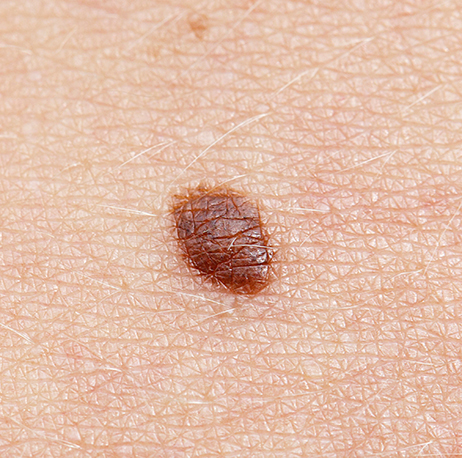
Darker spots (pigmented BCC): Lesions that may look like moles but continue to grow or change.
Recurrent BCC: Skin cancers that return after previous treatment, which may require Mohs surgery for the most precise removal.
What are the symptoms of basal cell carcinoma?
BCC can appear differently from person to person. Dermatologists recommend seeking evaluation if you notice a new or changing spot with any of the following features:

A pearly or shiny bump—often pink, red, or translucent
A flat, scaly patch that slowly enlarges
A sore that bleeds, crusts, or doesn’t heal
A scar-like area that feels firm or waxy
A mole-like lesion with changes in color or borders
Persistent itching, tenderness, or irritation on a single spot

Early diagnosis is key. Regular skin checks help identify suspicious lesions before they become more invasive.
How do we treat basal cell carcinoma?
Your dermatologist and skin cancer specialist will recommend a treatment plan based on the cancer’s type, size, depth, and location. Evidence-based treatment options include:

Mohs micrographic surgery: The gold standard for facial or high-risk BCC, Mohs offers the highest cure rate and preserves the most healthy tissue.
Standard surgical excision: Removes the tumor with a margin of healthy skin, effective for many BCC types.
Electrodesiccation and curettage (ED&C): A quick in-office procedure suitable for superficial or small nodular lesions.
Topical immunotherapy or chemotherapy creams: Medications such as imiquimod or fluorouracil for early or superficial BCCs.
Radiation therapy: For patients who are not candidates for surgery or prefer nonsurgical treatment.
Regular skin cancer screenings: Long-term and ongoing monitoring helps catch new BCCs early and reduces the risk of recurrence.

Prioritize your skin health with expert dermatology care.

Our board-certified dermatologists and plastic surgeons, cosmetic dermatology providers, and fellowship-trained Mohs surgeons provide best-in-class treatment for all your skin health needs.

BOOK NOW
Locations Near You
Finding locations near you...
Locations Near You
Finding locations near you...

Frequently asked Questions

What causes basal cell carcinoma?
BCC develops primarily from long-term UV exposure, whether from the sun or tanning beds. Genetics, fair skin, and a history of previous skin cancers also increase risk.
What does basal cell carcinoma look like?
BCC can vary in appearance from person to person. You should schedule an evaluation if you notice a shiny, pearly, or translucent bump, a flat, scaly patch that slowly enlarges, a sore that bleeds, crusts, or won’t heal, a firm or waxy scar-like area, a mole-like spot that changes in color or borders, or persistent itching, tenderness, or irritation in a specific area.
How is basal cell carcinoma diagnosed?
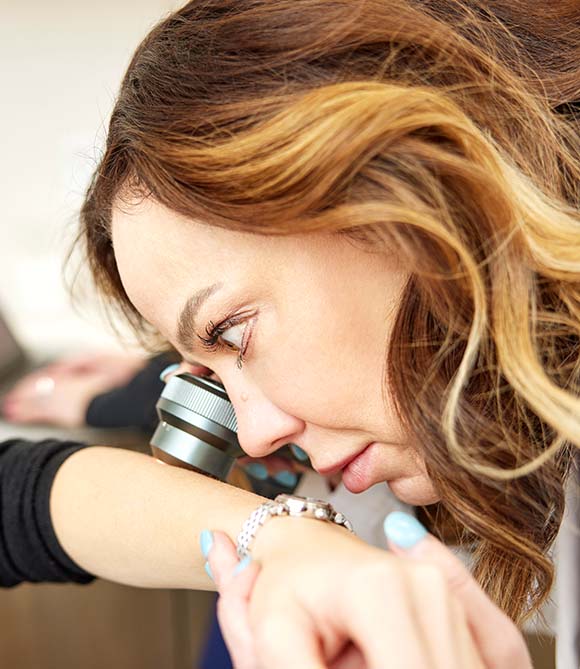
A dermatologist will examine the lesion during a skin evaluation. If BCC is suspected, a skin biopsy will be performed to confirm the diagnosis and determine the subtype, depth, and aggressiveness of the lesion.
Is basal cell carcinoma dangerous?
While BCC rarely spreads to other organs, it can grow deeper into the skin and cause significant damage if untreated. Early treatment prevents complications.
How quickly does basal cell carcinoma grow?
Most BCCs grow slowly, but some forms, like morpheaform BCC, can spread more aggressively. Any new or changing lesion should be evaluated promptly.
How do you treat basal cell carcinoma?
Treatment depends on the cancer’s size, type, depth, and location. Our dermatologists offer Mohs surgery, standard excision, electrodesiccation and curettage (ED&C), topical medications, radiation therapy, and ongoing skin cancer screenings.
Will I have a scar after treatment?
Any treatment that removes skin may result in a small scar, but our dermatologists and Mohs surgeons use advanced techniques to achieve the most natural cosmetic outcome.
Can basal cell carcinoma return after treatment?
Yes. Recurrence depends on the type of BCC and the treatment used. Mohs surgery offers the lowest recurrence rate and is often recommended for high-risk areas.
How often should I get skin checks after treatment?
Most patients benefit from full-body skin exams every 6–12 months. Your dermatologist will recommend a schedule based on your personal history and risk factors.

Learn More